US–Japan and South Korea trade relations document talks: What to expect
Advertisements
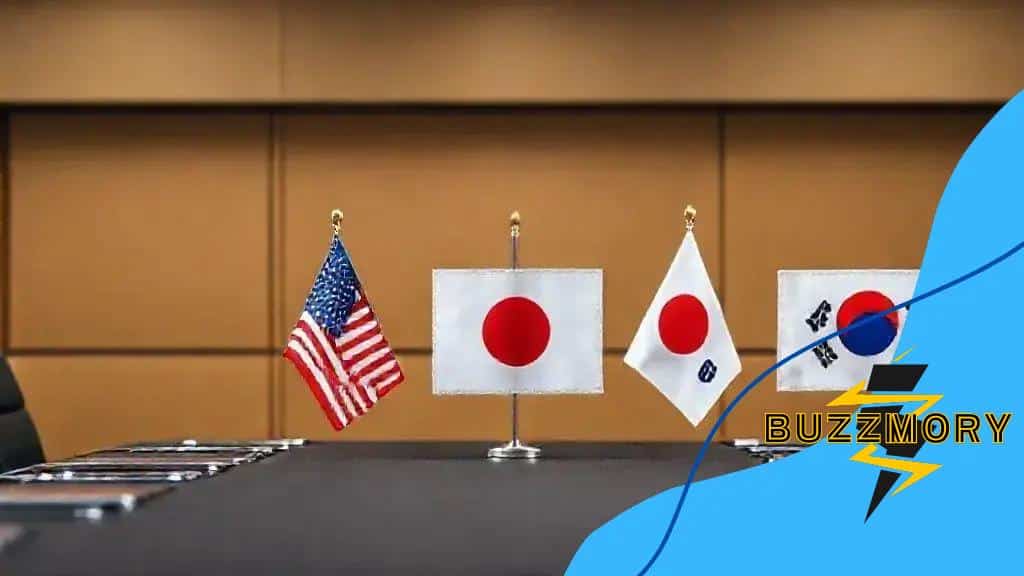
The US–Japan and South Korea trade document talks focus on reducing tariffs, enhancing security alliances, promoting technological cooperation, and addressing economic disparities to strengthen regional relations and promote economic growth.
US–Japan and South Korea trade document talks are set to play a significant role in shaping economic partnerships in the region.
As negotiations unfold, it’s crucial to understand the implications for each nation and the global economy.
Understanding the current trade relations dynamics
Understanding the current trade dynamics between the US, Japan, and South Korea is crucial in today’s interconnected economy.
These nations play pivotal roles in global trade, influencing markets and policies.
Key factors in trade relations
Several factors contribute to the trade relations among these countries.
They share economic interests, aiming for mutual growth and stability in the region.
The ongoing negotiations focus on tariff reductions and trade barriers. Here are some key elements that shape their dynamics:
- Trade agreements and partnerships
- Technological advancements and innovation
- Economic sanctions or incentives
- Cultural exchanges and collaborations
Moreover, various industries such as technology, automotive, and agriculture drive their trade decisions.
Each country has specific strengths that complement one another, making their relationship beneficial.
For example, Japan’s technology drives innovation, while South Korea’s manufacturing capabilities add significant value to the partnership.
These industries create a balance that sustains economic ties.
Impact of global events
Global events also affect trade dynamics. Economic downturns, political uncertainties, and shifts in global demand can alter the trading landscape.
After the pandemic, countries prioritized resilience in supply chains and the importance of strategic partnerships.
Furthermore, domestic policies influence international relations.
For instance, tariffs imposed can lead to retaliatory measures, affecting trade volumes.
A cooperative approach is essential to navigate these challenges and ensure continuous engagement between the nations.
As negotiations continue, the focus on adjusting trade agreements will be vital.
Understanding these dynamics helps predict future trends and prepares businesses for potential changes in the economic environment.
Key stakeholders in trade negotiations
Identifying the key stakeholders in trade relations can help clarify who influences the outcomes of discussions between the US, Japan, and South Korea.
These stakeholders include government officials, industry leaders, and international organizations.
Government officials
Government representatives from each country play a vital role in negotiations.
They create policies that govern trade agreements and protect national interests.
For example, trade ministers work closely to propose and review terms of deal-making.
Their decisions impact tariffs, quotas, and regulations.
Industry leaders
Industry leaders also significantly influence negotiations. Companies that export and import goods often advocate for terms that favor their interests.
They provide insights on how trade policies affect their sectors.
Key industries such as technology, automotive, and agriculture are represented in discussions.
Here are some important industry stakeholders:
- Large corporations with global operations
- Small and medium-sized enterprises affected by trade policies
- Trade associations advocating for industry interests
- Labor unions concerned about job impacts
Furthermore, public opinion and consumer behavior can shape negotiations as well.
When citizens express concerns about foreign products or job losses, governments may respond by adjusting their strategies to align with public sentiment.
International organizations
International organizations like the World Trade Organization (WTO) also play a crucial role.
They facilitate negotiations and set the rules for international trade.
Their guidelines help countries navigate complex trade issues and disputes.
Moreover, they provide a platform for collaboration and dialogue, which is essential for successful agreements.
As negotiations progress, understanding these stakeholders is vital for predicting outcomes and assessing how treaties might evolve.
Each stakeholder brings unique perspectives, making collaboration essential for achieving a balanced agreement that benefits all parties involved.
Main topics on the agenda
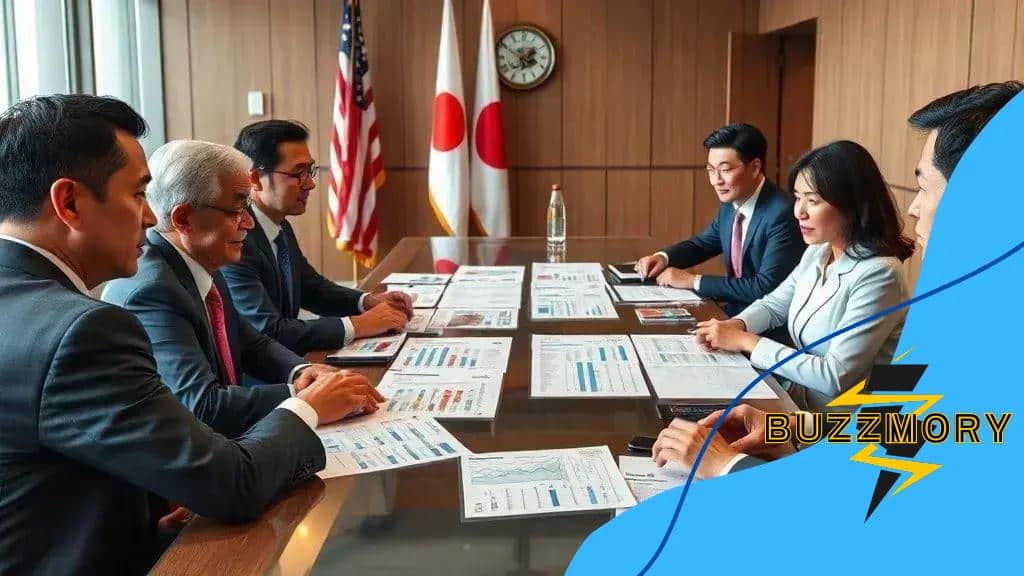
The main topics on the agenda for the US–Japan and South Korea trade talks are crucial for understanding the future of trade relationships in this region.
These discussions encompass various sectors and issues that impact economic cooperation.
Tariffs and trade barriers
One significant topic is the discussion around tariffs and trade barriers.
Each country aims to reduce obstacles for smoother trade.
Lowering tariffs can help companies save money and encourage more imports and exports. Key points in this area include:
- Identifying which tariffs to reduce
- Creating provisions for sensitive industries
- Considering impacts on domestic markets
Through negotiations, countries strive to balance their interests while enhancing overall trade volume.
This aspect is vital for economic growth.
Technological cooperation
An essential part of the agenda is enhancing technological cooperation.
As global competition rises, sharing technological advancements becomes increasingly important.
Japan and South Korea are known for their innovations, which can benefit US companies. Important areas of focus include:
- Joint research and development initiatives
- Standards for technology products
- Cybersecurity measures
By collaborating on technology, these nations can strengthen their economic partnerships and promote growth across various sectors.
Environmental standards
Another critical topic is establishing environmental standards in trade agreements.
As awareness of sustainability grows, countries are looking to incorporate eco-friendly practices.
This includes making commitments to:
- Reduce carbon emissions in manufacturing
- Encourage green technologies
- Support sustainable agriculture practices
Discussions on environmental concerns not only address global climate change but also resonate with consumers who prefer sustainable products.
Labor rights
Labor rights also hold a significant place in the agenda.
Ensuring fair labor practices is essential for maintaining healthy economies.
Negotiators aim to create guidelines that support:
- Fair wages for workers
- Safe working conditions
- Strong labor unions
By integrating labor rights into trade negotiations, a fairer economic environment can be achieved for all involved parties.
These main topics reflect the complexities of trade negotiations and the importance of cooperation in a rapidly changing global market.
Addressing these issues can lead to stronger, more sustainable partnerships between the US, Japan, and South Korea.
Impact on regional economies
The impact on regional economies from the US–Japan and South Korea trade discussions is significant. These negotiations can alter the economic landscape for the countries involved, influencing growth, investment, and job creation.
Economic growth and development
One major effect is the potential boost to economic growth.
By reducing trade barriers and enhancing cooperation, these countries can stimulate trade flows.
This leads to increased imports and exports, which are essential for economic development.
Countries like South Korea and Japan can benefit from accessing American markets, while the US can gain from technological advancements and products offered by its Asian partners.
Investment opportunities
Trade agreements often attract foreign direct investment (FDI).
With more favorable conditions in trade, companies from these countries may invest in each other’s markets.
This investment can take many forms, such as:
- Joint ventures in key industries
- Establishing production facilities
- Research and development centers
As a result, local economies may see job creation and improved business environments, which strengthen their overall economic stability.
Job creation and employment
Another important aspect of trade negotiations is job creation.
As trade expands, industries such as manufacturing, technology, and services often experience growth, leading to the generation of new jobs.
The increased demand for products stimulates hiring, contributing to lower unemployment rates in the region.
Challenges and disparities
However, this expansion is not without challenges. While some sectors may thrive, others might face difficulties.
For example, local industries competing against imports may struggle, potentially leading to job losses in certain areas.
It is vital for governments to manage these transitions effectively.
They must provide support for affected workers through retraining programs and initiatives that boost local economies.
Additionally, the disparities between urban and rural areas can widen as trade negotiations progress.
Urban centers may attract more investment, leaving rural regions behind.
Addressing these issues will be essential to ensure that the benefits of trade are distributed fairly.
The ongoing discussions will shape these dynamics significantly and will require careful consideration by policymakers to harness the benefits while mitigating the drawbacks for all regional economies involved.
Future of US–Japan and South Korea relations
The future of US–Japan and South Korea relations looks promising as these countries continue to navigate complex trade dynamics.
Cooperation is key, and there are several factors that will shape their relationship moving forward.
Trade agreements
One of the main factors is the potential for new trade agreements.
As negotiations progress, these nations are likely to revise existing agreements or create new ones that better reflect current economic conditions. This may lead to:
- Lower tariffs on goods
- Expanded access to markets
- Stronger protections for intellectual property
These changes can greatly enhance economic cooperation and trade volumes among them, benefiting all parties involved.
Security alliances
Security issues also play a significant role in shaping future relations.
The increasing tension in East Asia emphasizes the importance of strong alliances.
The US, Japan, and South Korea may work together to:
- Enhance military cooperation
- Share intelligence and resources
- Conduct joint military exercises
Strengthening these alliances will not only boost security but also improve the overall stability of the region, which is essential for economic growth.
Innovation and technology
Furthermore, collaboration in innovation and technology is expected to grow. As digital transformation accelerates, these countries recognize the need to work together on:
- Research and development
- Cybersecurity initiatives
- Advancements in green technology
By sharing ideas and resources in these areas, they can foster economic growth while addressing global challenges.
Balancing regional influence
Lastly, the geopolitical landscape is ever-changing.
With the rise of China and other regional powers, the US, Japan, and South Korea may need to balance their influence in the region through strengthened partnerships. This includes:
- Engaging with other countries in Asia
- Promoting democratic values
- Support for regional trade agreements
By collaborating on these fronts, they can ensure that their joint interests are safeguarded.
As we look to the future, the US–Japan and South Korea relations will evolve based on mutual interest, economic strategies, and geopolitical developments.
The ongoing commitment to cooperation among these nations will play a crucial role in shaping their shared future.
FAQ – Frequently Asked Questions about US–Japan and South Korea Trade Relations
What are the key benefits of the trade agreements?
Trade agreements can lower tariffs, increase trade volumes, and boost economic cooperation among the US, Japan, and South Korea.
How do security alliances impact trade relations?
Strong security alliances enhance stability in the region, allowing for more open trade and investment opportunities.
What role does technology play in these trade relations?
Technological cooperation can lead to joint research and innovation, benefiting all countries involved through shared advancements.
How do these trade relations affect consumers?
Consumers may benefit from lower prices and access to a wider variety of goods as trade barriers are reduced.