FAA aviation incidents tracker 2025: stay informed

Advertisements
The FAA aviation incidents tracker 2025 is a crucial tool that enhances air travel safety by analyzing incident data to identify risks and inform regulatory actions, ensuring informed decisions for safer flying.
The FAA aviation incidents tracker 2025 is designed to keep you informed about critical safety issues in aviation.
Have you ever wondered how tracking incidents can enhance your travel experience? Let’s dive in!
Overview of FAA aviation incidents tracker 2025
The FAA aviation incidents tracker 2025 plays a crucial role in aviation safety by gathering and analyzing data on incidents.
This tool is essential for both the aviation industry and travelers, enabling them to stay informed.
Understanding how this tracker operates can be enlightening.
It compiles various reports on aviation incidents, which can range from accidents to minor disturbances.
The insights derived from these reports help in assessing trends and implementing safety measures.
Key features of the tracker
One of the standout aspects of the FAA aviation incidents tracker 2025 is its user-friendly interface.
Users can easily navigate through different sections to find specific incidents or general information.
Additionally, the tracker provides real-time updates, which is vital for those who fly frequently.
- Real-time data access
- Historical incident analysis
- User-friendly navigation
- Incident categorization
Moreover, the tool allows users to filter incidents based on certain criteria, such as date, type, and location.
This functionality means that visitors can find relevant information tailored to their needs.
Analyzing these incidents not only informs the public but also aids regulators in enhancing safety protocols.
Why tracking aviation incidents matters
Staying updated with aviation incidents is vital for improving safety standards in air travel.
The data collected by the tracker can also be invaluable for researchers and policy makers who wish to identify patterns in aviation safety.
This proactive approach ensures that lessons are learned and consequently, the air travel environment becomes safer.
Through consistent tracking, it becomes possible to develop preventive measures against potential incidents.
By understanding the nature of these incidents, actions can be taken to mitigate risks in the future.
Overall, the FAA aviation incidents tracker 2025 serves as a beacon of transparency in an industry where safety is paramount.
Key features of the tracker
The FAA aviation incidents tracker 2025 has several important features that enhance its usability and effectiveness.
These features are designed to provide users with the most accurate and timely information possible.
User-friendly interface
The interface is intuitive, allowing users to navigate effortlessly through the various sections.
This makes finding information quick and easy, which is essential for anyone looking to stay updated.
- Simple navigation tools
- Clear categorization of incidents
- Accessible data presentation
- Real-time updates
Additionally, it includes advanced filtering options.
Users can filter incidents based on numerous criteria such as date, severity, and location.
This flexibility helps individuals tailor their searches to their specific needs.
Real-time data access
One of the standout features is the ability to access real-time data.
This ensures that users receive the most current information as incidents occur.
Knowing about these events as they happen is crucial for both aviation professionals and travelers.
Moreover, the tracker compiles data into easy-to-read formats, providing reports and analytics that can be understood quickly.
This helps users gain insights into trends over time, enhancing their understanding of aviation safety.
The combination of user-friendly access and real-time updates makes the FAA aviation incidents tracker 2025 a vital tool for ensuring safety and awareness in air travel.
Why tracking aviation incidents matters
Tracking aviation incidents is vital for numerous reasons.
By understanding the causes and patterns of incidents, the aviation industry can enhance safety measures across the board.
This proactive approach is key to minimizing risks for passengers and crew alike.
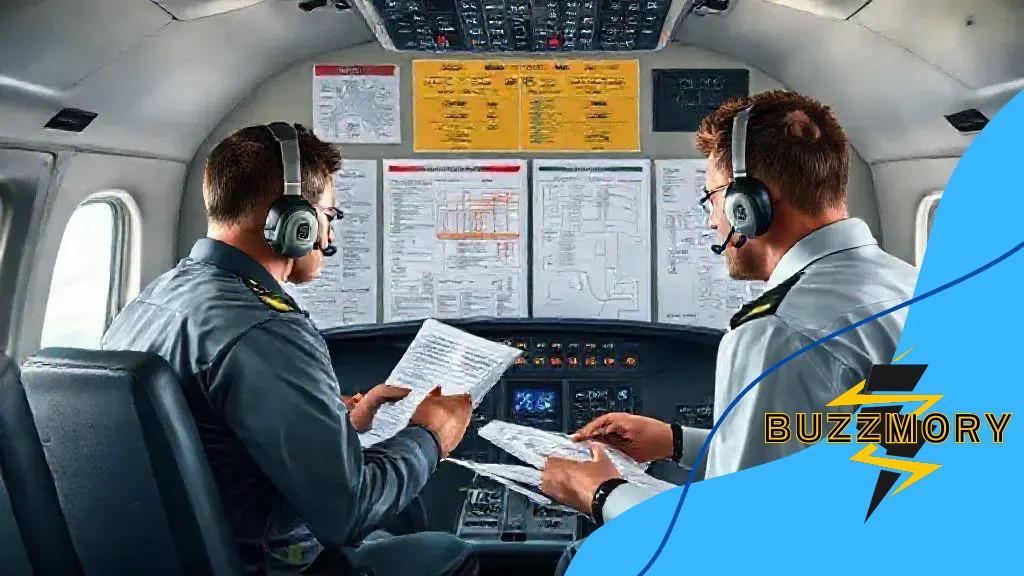
Improving safety standards
One primary reason aviation incident tracking matters is its role in improving safety standards.
When incidents are analyzed, it helps identify risks that may not be immediately apparent.
This analysis informs regulatory changes and safety protocols.
- Identifying trends in incidents
- Implementing corrective actions
- Establishing industry benchmarks
- Reducing accident rates
An additional benefit is fostering a culture of transparency within the aviation industry.
When incidents are documented and reported, it encourages stakeholders to prioritize safety.
Passengers can feel more secure knowing that the industry is committed to addressing incidents head-on.
Supporting research and development
The data gathered through tracking also supports research and development efforts.
Researchers can use this information to develop new technologies designed to enhance aviation safety.
Innovations arising from this research can lead to more effective safety measures.
Furthermore, understanding incidents can aid in training programs for aviation personnel.
By studying real events, air crew can learn valuable lessons that enhance their readiness and response.
This training is crucial for preparing them for potential emergencies, ultimately improving overall safety.
In conclusion, the importance of tracking aviation incidents can’t be overstated.
It is a critical element in building a safer aviation environment that prioritizes the well-being of everyone involved in air travel.
Understanding data accuracy
Understanding data accuracy is essential when analyzing aviation incidents.
The reliability of data directly impacts safety assessments and decision-making within the aviation industry.
Accurate information helps identify the root causes of incidents and informs effective safety measures.
What affects data accuracy?
Several factors can influence the accuracy of data collected by the FAA aviation incidents tracker 2025.
These factors include human errors, equipment malfunctions, and reporting inconsistencies.
Each of these elements can introduce discrepancies that need to be addressed to ensure reliable data.
- Human error in data entry
- Sensor and equipment calibration issues
- Variations in incident reporting practices
- Delays in data collection
To counteract these issues, the FAA implements stringent data validation processes.
Regular audits and assessments are crucial to maintaining high standards of accuracy.
This diligence fosters trust in the data, essential for regulatory bodies, airlines, and the public.
Importance of accurate data in decision-making
The importance of accurate data cannot be overstated. Good data allows for informed decisions that enhance overall safety.
For instance, if data reveals a pattern of incidents linked to a specific aircraft model, immediate action can be taken to address the issue.
Moreover, accurate data supports training programs for aviation personnel.
By learning from precise incident data, crew members can better prepare for real-life situations, improving their ability to respond effectively.
This learning process is crucial for developing a proactive safety culture within the aviation field.
How this impacts air travel safety
Understanding how the FAA aviation incidents tracker 2025 impacts air travel safety is crucial for everyone involved in flying.
The data collected and analyzed serves multiple purposes that enhance the overall safety of air travel.
Enhanced risk assessment
One significant impact is on risk assessment. By tracking aviation incidents, the FAA can identify patterns and potential hazards.
This proactive approach allows airlines to take preventive measures before incidents occur.
- Identifying high-risk routes
- Understanding seasonal trends
- Evaluating aircraft performance
- Monitoring pilot error rates
This data-driven focus helps airlines make informed decisions to improve safety protocols.
As a result, passengers can feel more secure knowing that the industry is monitoring and addressing risks effectively.
Informed policy changes
Another critical aspect is how this information influences policy changes.
Regulators can use insights from the tracker to develop new regulations aimed at improving air travel safety.
These policies may introduce stricter guidelines for maintenance or training procedures, ensuring that all stakeholders prioritize safety.
With accurate and timely data, the FAA can respond faster to emerging threats, making necessary adjustments to procedures and protocols.
This adaptive strategy improves safety outcomes, leading to fewer incidents in the long run.
Ultimately, the FAA aviation incidents tracker 2025 plays a vital role in shaping a safer aviation environment.
By enabling a culture of continuous improvement and adaptation, it enhances air travel safety and builds trust among travelers.
FAQ – Frequently Asked Questions about the FAA Aviation Incidents Tracker 2025
What is the FAA aviation incidents tracker 2025?
It is a tool used to monitor and analyze aviation incidents for improving safety in air travel.
How does tracking incidents enhance air travel safety?
By identifying patterns in incidents, it helps airlines and regulators improve safety measures before problems occur.
Why is data accuracy important in the incident tracker?
Accurate data ensures that safety assessments and decisions are based on reliable information, minimizing risks.
Who benefits from the insights provided by the tracker?
Both aviation professionals and passengers benefit, as it leads to safer flying experiences and better-informed decisions.